

India’s “Silver Tsunami” is here—and AI is the Silent Guardian we’ve been waiting for.
As of 2026, India is no longer just a “young” nation. We are witnessing a significant demographic shift. The number of seniors (+60) in India is projected to reach 173 million, accounting for roughly 12.4% of the total population.
According to recent Longitudinal Ageing Study (LASI) data, 75% of Indian seniors suffer from at least one chronic disease, and 24% have limitations in daily activities like bathing or dressing. With the rise of nuclear families and urban migration, nearly 70% of the elderly are dependent on others for day-to-day maintenance, often living in isolation as children move for work. How do we provide dignified, safe, and proactive care for our elders when we can’t always be physically present?
In February 2026, the Government of India expanded the Ayushman Bharat scheme to provide free health insurance for all citizens aged 70 and above, signalling a shift toward state-supported geriatric care.
In my 30+ years in technology and electronic security, I’ve seen many “next big things.” But the application of AI and Home Automation for Geriatric Care isn’t just a trend—it’s a social imperative.
AI is transitioning from a “futuristic concept” to a practical utility in Indian homes. Here is how I see AI moving from “fancy tech” to “essential care” this year:
From Reactive to Predictive: We are moving beyond the “SOS Button.” AI-driven ambient sensors based on radar (no cameras, no privacy invasion) can now detect changes in gait or sleep patterns, predicting a potential fall or health decline weeks before it happens. They distinguish between “sitting quickly” and a medical emergency.
The Loneliness Antidote: Generative AI is finally breaking the language barrier. Voice-first companions in regional languages aren’t just for reminders; tailored LLMs (Large Language Models) are being used in “social robots” to provide conversation, read news in local Indian languages via tools like Bhashini, and remind seniors of medications using natural, familiar voices. They are providing cognitive stimulation and reducing the isolation that affects nearly 70% of our seniors.
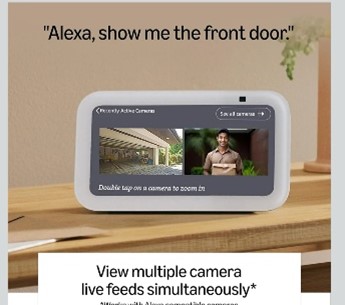
The new Amazon Echo with Alexa Plus (Device + Subscription) is an excellent example of this. It can carry out extended conversations as well as pull out audio, video content from the Net. Helps you to create To Do Lists, shopping lists, reminders. Its integration with Amazon also allows you to shop online or get updates about delivery schedule. Linkage with Amazon Pay also enables you to get remined about and pay your utility bills online – all through a single device.
If you invest in Alexa compatible smart devices, you can also control your lights, fans, switches, Smart TVs using voice commands. I have set up a PoC setup at my residence with a total of 35 IoT devices, including tube lights, bulbs, fans, Smart Acs, Smart TV and Smart Fridge, Wi-fi Cameras, Motion & Light sensors, Door Sensors – all geared to make daily life safe and convenient for my super senior parents.
Memory Care: For those with early-stage Dementia or Alzheimer’s, AI-driven photo albums and voice assistants help with “reminiscence therapy,” keeping cognitive pathways active.
Smart Home Automation: The “Adaptive Environment”) is moving toward Self-Configuring Homes. AI-controlled Circadian lighting that mimics natural sunlight to regulate sleep-wake cycles, which is crucial for senior mental health.
Integrated systems (Matter-enabled) allow seniors to control fans, ACs, and door locks through voice commands, reducing physical strain and the risk of falls during the night. More than just been Sci-Fi gadgets, some of these tools can provide great practical convenience.
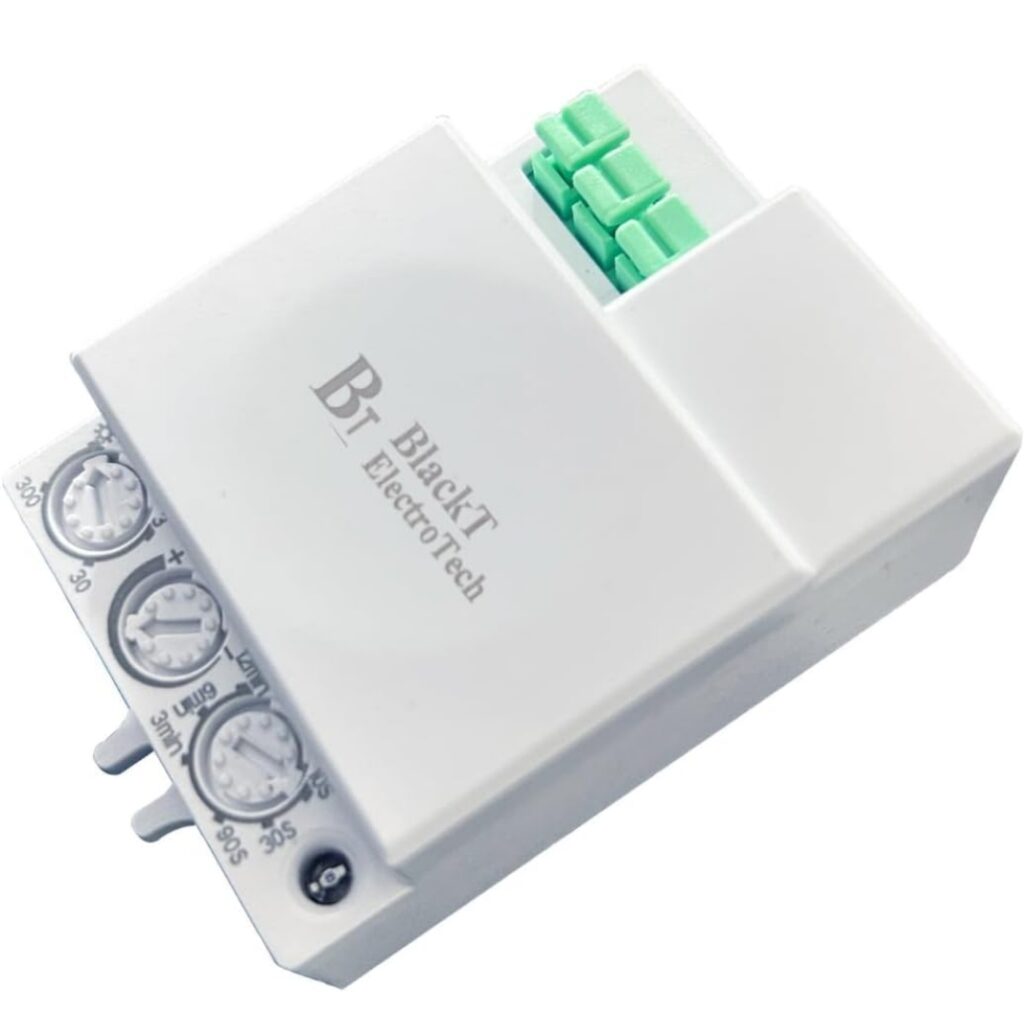
I have been using the Blackt BT31MI sensor to automate lighting systems for senior citizens. This wonder device is totally configurable and is used to switch on lights on sensing motion, but only if the ambient light is below a user-defined threshold. The motion sensitivity is also configurable, as is the duration for which the light is on.
This affordable investment offers peace of mind for users who use the washroom frequently at night and need light, yet don’t want to keep the light on all the time in their bedroom.
Off course, there are other use cases also, and its application is limited by your imagination.
Caregiver Superpowers: AI is streamlining the “Care Economy” by matching specialized medical needs of a senior (e.g., post-stroke care) with the skills and personality of available caregivers and providing families with real-time, transparent data on their loved ones’ vitals.
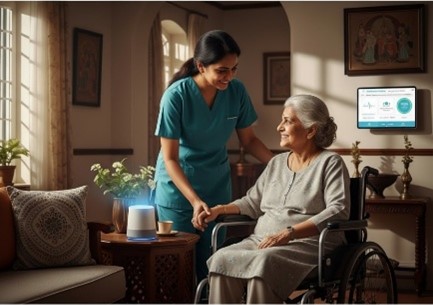
Electronic Visit Verification (EVV): AI bots automatically log caregiver tasks and health vitals, providing transparent, real-time updates to children living in different cities or abroad.
Areas of concern for Entrepreneurs / Startups
- Data Privacy & Ethics: Who owns the data collected by an AI sensor in a bedroom?
- Interoperability: Leading the push for “Matter” standards so that different brands of home automation and health monitors can talk to each other.
- Vernacular AI: Bridging the digital divide by ensuring AI tools work seamlessly in Hindi, Tamil, Bengali, etc., which is essential for mass adoption in India.
As a technology entrepreneur and advisor, I am committed to helping SMEs and startups in this space move from pilot projects to scalable, ethical solutions. We aren’t just building “smart homes”; we are building an ecosystem of dignity.
I’d love to hear from my network: How is your organization (or your family) leveraging technology to improve the quality of life for seniors today? Let’s discuss in the comments. 👇